
What Makes Italian Espresso Different?
- Posted on
- By Qatari Italian Moka and Co WLL -Moka & Co Qatar
- Posted in Coffee Culture, Coffee Qatar, Doha, Espresso Machine, HoReCa Qatar, Italian Espresso, Kimbo Coffee, Moka & Co
- 0
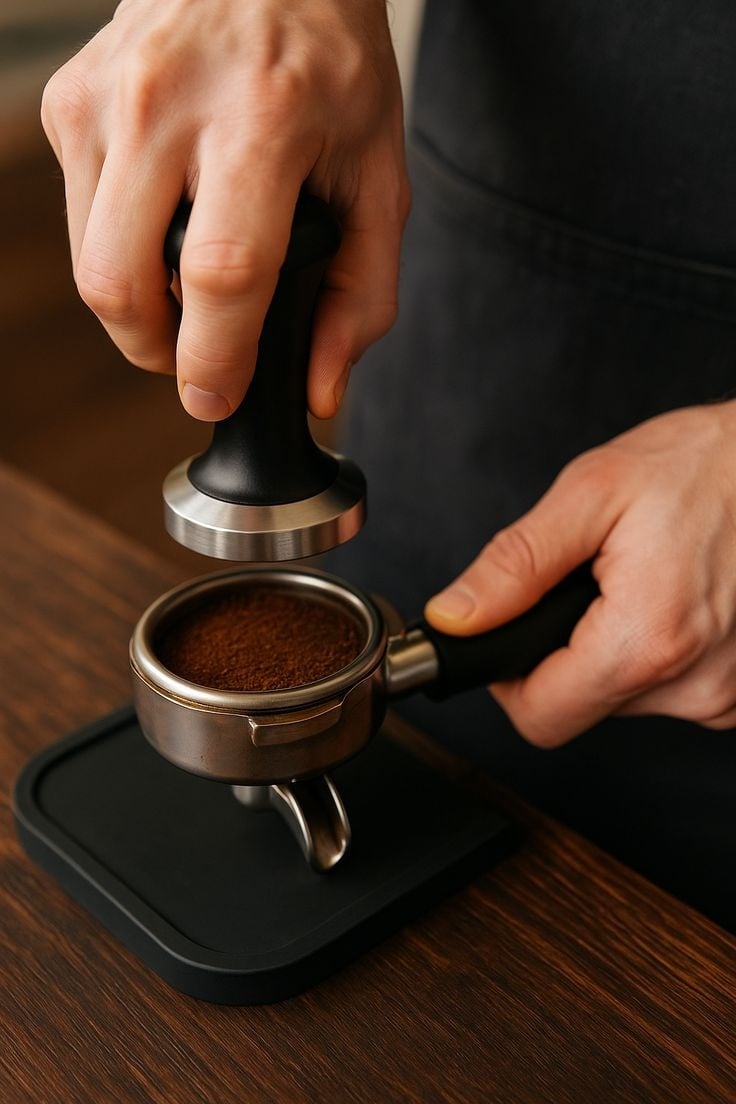
Not all espresso is created equal. Discover what makes Italian espresso unique — and why Kimbo Coffee is Qatar's gold standard, available exclusively through Moka & Co.
Introduction: The Espresso Gap No One Talks About
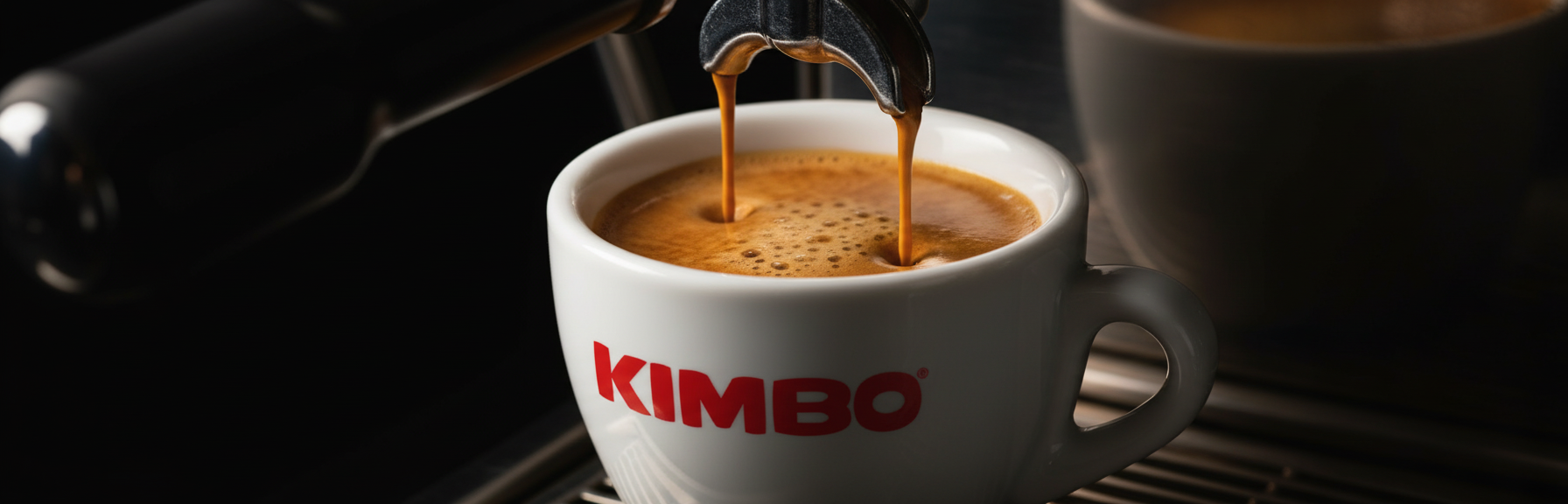
Walk into any specialty café in Doha today and you will hear terms like 'single origin', 'third wave', and 'pour-over'. But ask for a proper espresso — a short, dense, velvet-crema shot — and you may discover something surprising: not every café can actually pull one correctly.
That is because Italian espresso is not just a brewing method. It is a philosophy, a tradition, and a precision craft that took Naples more than a century to perfect. And in Qatar, one name stands above all others when it comes to delivering that authentic Italian experience: Kimbo Coffee.
At Moka & Co Qatar, we have been the exclusive distributors of Kimbo in Qatar since 2002. This guide answers every question you have about what makes Italian espresso genuinely different — and why Kimbo is the coffee Qatar's top restaurants, hotels, and cafés trust.
1. What Is Italian Espresso — Really?
The word 'espresso' is used loosely across the world. In practice, it means very different things in different countries. In Italy, however, espresso is governed by a strict set of parameters that define everything from grind size to cup temperature.
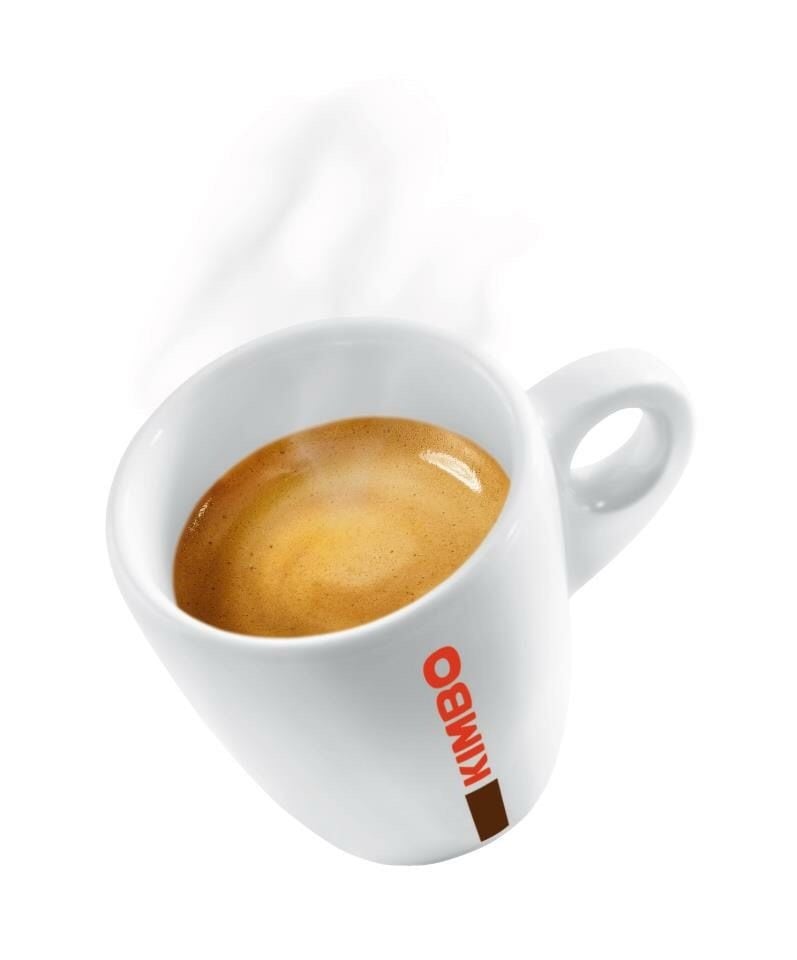
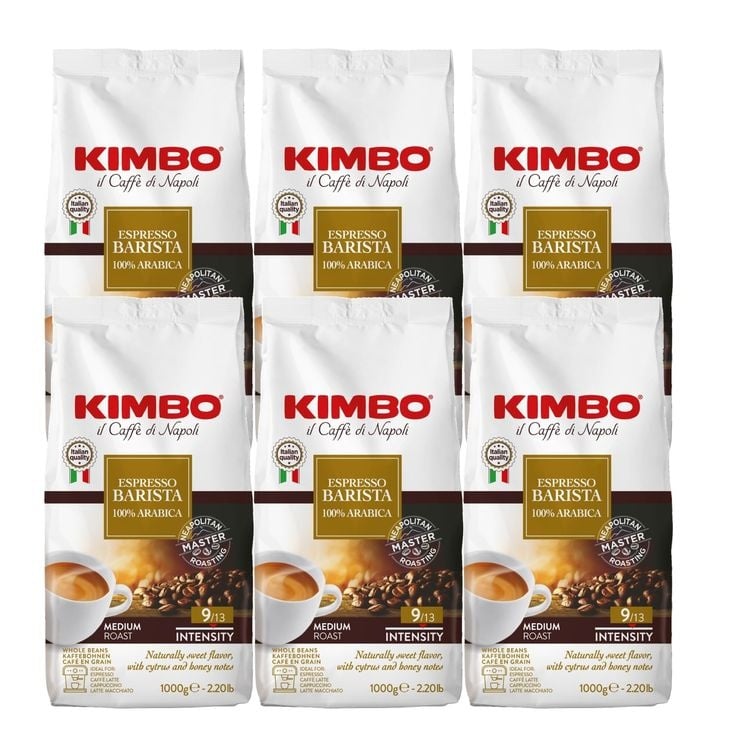
The five pillars of authentic Italian espresso
• Pressure: 9 bars of pressure force near-boiling water through finely ground coffee in 25–30 seconds
• Temperature: Brewing water must be held between 90°C and 94°C — no higher
• Dose: A standard single shot uses 7–9 grams of ground coffee; a double uses 14–18 grams
• Volume: A ristretto yields 15–20 ml; a standard espresso 25–35 ml
• Crema: The golden, hazelnut-coloured foam layer that forms on top — the mark of freshness and correct extraction
These parameters are not arbitrary. Each one affects the flavor compounds extracted from the bean. Deviate from any one of them and you lose the body, the sweetness, or the complexity that defines the authentic Italian cup.
Q: What makes Italian espresso different from regular coffee?
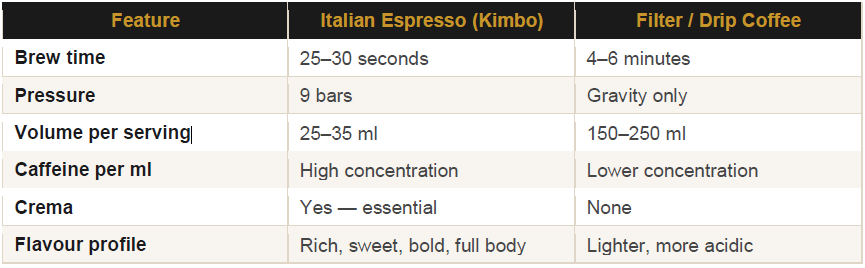
Italian espresso is brewed under 9 bars of pressure in under 30 seconds, concentrating flavor, oils, and caffeine into a small, intensely flavored shot topped with crema. Regular drip coffee uses gravity and much longer brew times, producing a thinner, more acidic cup with less body and no crema.
2. The Story of Kimbo: Naples in Every Cup
Kimbo was born in Naples in 1963, founded by the Rubino family in the city widely considered the spiritual home of espresso. Naples is not simply a place that drinks a lot of coffee — it is where the culture, the ritual, and the craft of espresso were refined over generations.
The name 'Kimbo' comes from the Japanese word for gold, a nod to the brand's commitment to quality and to the golden crema that defines its signature espresso. Today, Kimbo is one of Italy's most recognised coffee brands, exported to over 90 countries.
What makes Kimbo's blends unique?
Kimbo roasts primarily in the Neapolitan tradition — darker than northern Italian blends, producing a fuller body, deeper bitterness balance, and a richer crema. Their sourcing spans coffee-growing regions across Brazil, Colombia, Ethiopia, and India, with each origin contributing specific characteristics to the final blend.
Their flagship blend, Kimbo Top Flavor, combines 100% Arabica beans for a smooth, aromatic cup with a persistent crema. Their Kimbo Bar blend introduces a percentage of Robusta for the thick, hazelnut crema that professional baristas require.
Kimbo has been the official espresso of the Italian Football Federation (FIGC) and is served in the Italian Senate. In Qatar, it is trusted by over 300 HoReCa establishments through Moka & Co.
3. Italian Espresso vs Other Coffee Styles: A Direct Comparison
Many coffee drinkers in Qatar are familiar with filter coffee, French press, or Turkish coffee. Here is how Italian espresso compares on the metrics that matter most.
Q: Is espresso stronger than regular coffee?
Espresso is more concentrated per milliliter than filter coffee, but a standard espresso shot contains roughly 63 mg of caffeine — similar to or slightly less than a full cup of filter coffee. The perception of strength comes from the intensity and body of the flavor, not simply the total caffeine content.
4. Why the Machine Matters as Much as the Coffee
Even the finest Kimbo beans cannot deliver their full potential in a poor machine. Italian espresso is a system: the coffee and the machine must work together. This is why Moka & Co distributes not just Kimbo, but also the professional espresso machines that Kimbo is designed to be brewed on —Sanremo Rancilio, Saeco, and Elektra etc.
Sanremo — Competition-grade performance for serious baristas
Sanremo is the machine of choice for baristas who compete — and for good reason. Built in northern Italy, Sanremo machines are engineered to the exacting tolerances demanded by World Barista Championship competitors. Their flagship Opera and Café Racer models offer class-leading temperature stability, individual group head control, and pressure profiling — giving baristas complete mastery over every extraction. For Qatar's growing specialty coffee scene, Sanremo represents the pinnacle of professional espresso technology.
Rancilio — The professional's choice
Rancilio machines are used in thousands of professional cafés and restaurants worldwide. Their commercial range — including the CLASSE series — is engineered specifically for high-volume espresso service, maintaining consistent temperature and pressure across every single shot throughout a long service day.
Saeco — Premium automation for office and home
Saeco brings Italian espresso technology to the office and home market with fully automatic machines that grind, tamp, brew, and clean at the touch of a button. For businesses in Qatar seeking to offer café-quality espresso without a dedicated barista, Saeco provides the ideal solution.
Elektra — Italian artistry meets precision engineering
Elektra machines are the Ferraris of the espresso world. Hand-assembled in Italy and finished with extraordinary attention to aesthetic detail, Elektra machines are chosen by specialty cafés that want their espresso station to be as visually striking as the coffee it produces.
All the machine brands — Rancilio, Saeco, Elektra, Sanremo , Aroma, dr.coffee , Najjar Raqwa — are available in Qatar exclusively through Moka & Co. Contact our team for a demonstration, installation, and full after-sales support.
5. How to Order Kimbo Coffee in Qatar
If you are a café owner, hotel purchasing manager, or restaurant operator in Qatar, Kimbo is available in a range of formats to suit your operation.
Available Kimbo formats through Moka & Co Qatar
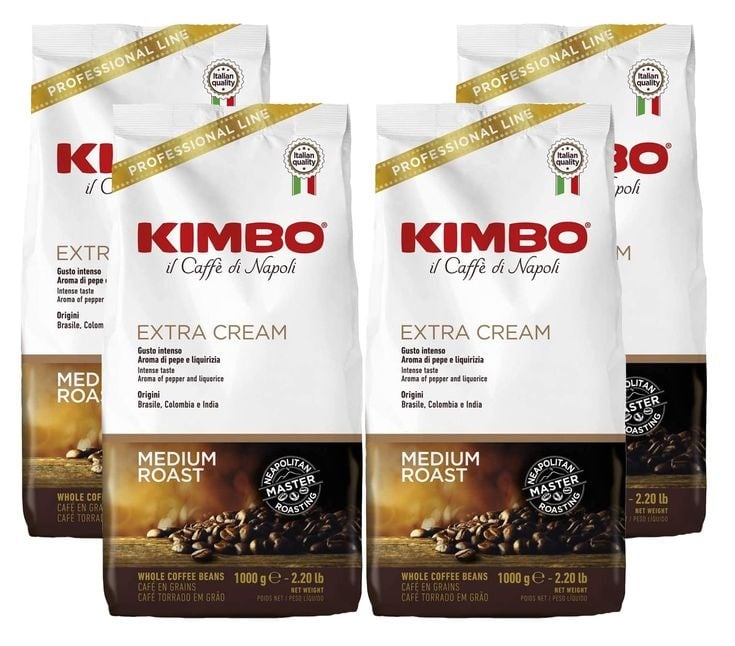
• Kimbo Top Flavor — 100% Arabica, ideal for specialty cafés and fine dining
• Kimbo Bar — Classic Italian blend with Robusta, perfect for high-volume café service
• Kimbo Espresso Napolitano — The strongest, darkest blend for the traditional Neapolitan experience
• Kimbo pods and capsules — For office coffee solutions (OCS) and low-volume settings
• Kimbo bulk coffee for professional roasting and blending applications
All Kimbo products arrive in Qatar through Moka & Co's climate-controlled supply chain, ensuring that every bag of coffee reaches you with freshness and flavor fully preserved — critical in Qatar's heat.
Q: Where can I buy Kimbo coffee in Qatar?
Kimbo coffee is available in Qatar exclusively through Moka & Co, the official distributor since 2002. Moka & Co supplies hotels, restaurants, cafés, and corporate offices across Qatar. Contact the team via mokaandco.qa or visit their Doha showroom to place an order.
6. The Perfect Kimbo Espresso: A Step-by-Step Brew Guide
Whether you are a professional barista or brewing at home with a semi-automatic machine, these steps will help you extract the full character of Kimbo coffee.
Step 1 — Grind fresh
Use a burr grinder set to a fine grind, slightly finer than table salt. Pre-ground coffee loses its freshness within minutes of opening — always grind to order where possible.
Step 2 — Dose correctly
For a single shot: 7–9 g. For a double: 14–18 g. Use a calibrated scoop or scale — eyeballing leads to inconsistency.
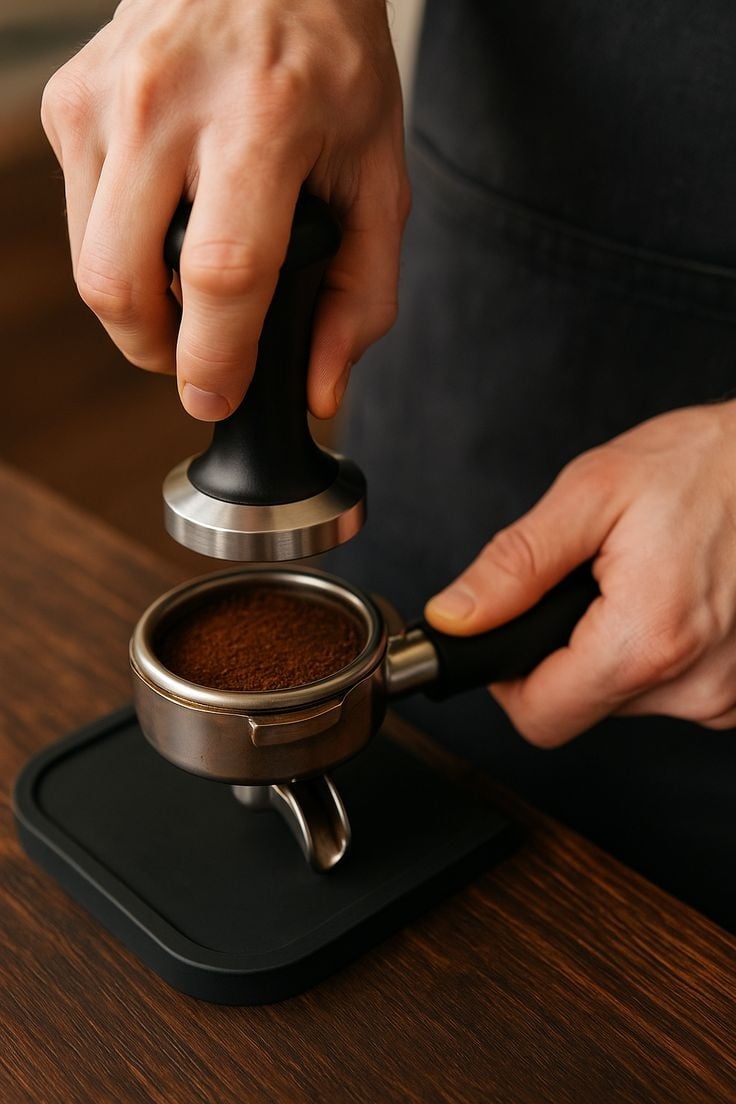
Step 3 — Tamp evenly
Apply 15–20 kg of even, level pressure with your tamper. An uneven tamp creates channeling — water rushes through the path of least resistance and under-extracts the rest.
Step 4 — Pre-infuse
Many professional machines offer a pre-infusion function that wets the puck at low pressure before the full 9-bar extraction begins. This leads to a more even, sweeter extraction — highly recommended with Kimbo's fine Arabica blends.
Step 5 — Extract in 25–30 seconds
Start your shot. The ideal extraction time is 25–30 seconds for a 25–35 ml yield. If it runs faster, grind finer. If slower, grind coarser.
Step 6 — Admire the crema, then drink immediately
A properly extracted Kimbo shot will display a thick, hazelnut-coloured crema with a tiger-stripe pattern. Drink within 30 seconds — espresso oxidizes quickly and the flavor degrades.
TIP In Qatar's climate, pre-heat your portafilter and cup before every shot. A cold portafilter drops the extraction temperature and flattens the crema. A warm cup keeps your espresso at the right drinking temperature for longer.
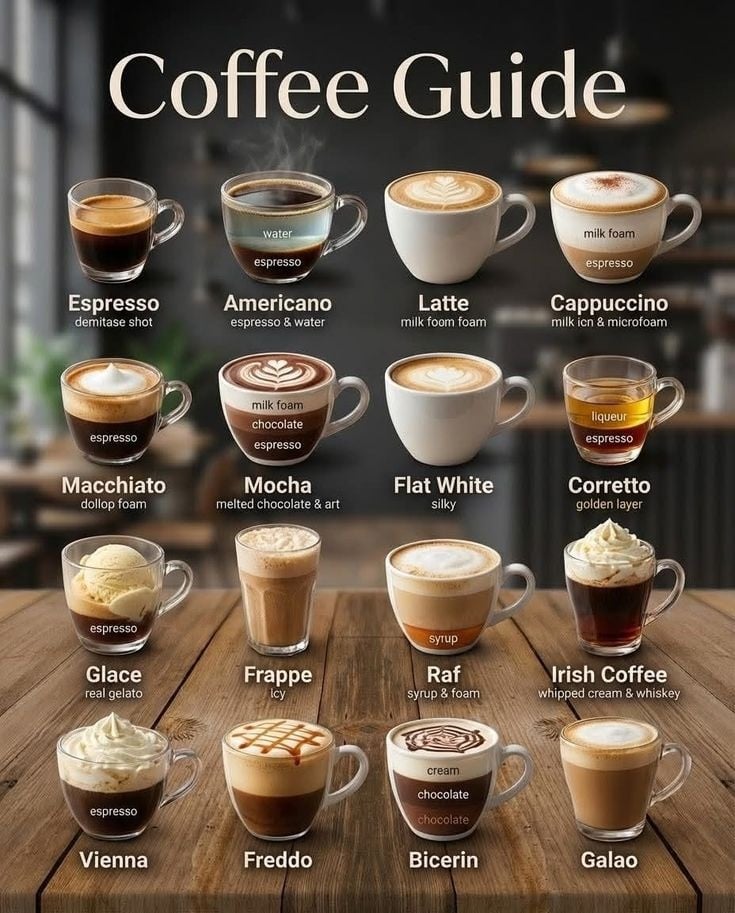
7. Espresso-Based Drinks: The Full Italian Menu
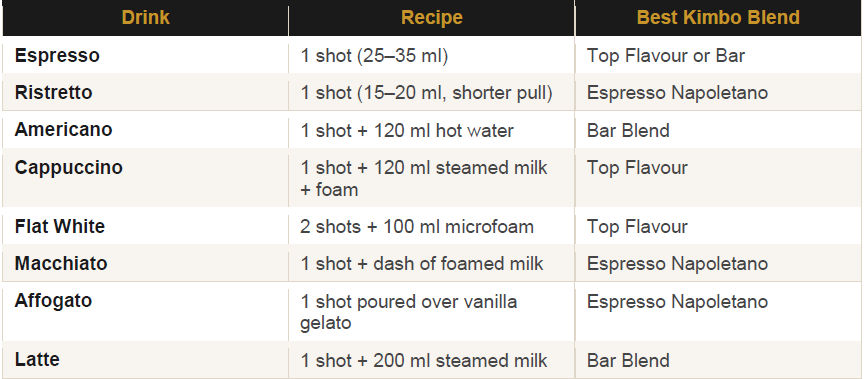
Kimbo espresso is the foundation of Italy's most beloved coffee drinks. Here is what every barista and café operator in Qatar should know how to make.
Q: What is the difference between a ristretto and an espresso?
A ristretto is pulled with the same amount of coffee as an espresso but half the water — producing a shorter (15–20 ml), more concentrated, sweeter shot with less bitterness. Espresso uses the full water volume (25–35 ml). Ristretto is preferred by those who want maximum sweetness and body with minimal acidity.
8. Why Qatar's Hospitality Sector Chooses Kimbo
Qatar's hospitality sector is one of the most demanding in the world. Hotels operating under international luxury brands, fine dining establishments, and premium airline lounges all require a coffee product that can deliver consistency at volume without sacrificing quality.
Kimbo meets this benchmark because it was engineered for exactly this environment — the high-output Italian café. A single Neapolitan bar can serve 300–500 espresso shots on a busy morning. Kimbo's blends are formulated to hold their quality across every single one.
Through Moka & Co's HoReCa distribution channel, Kimbo is currently served in leading hotels, restaurants, and corporate offices across Doha — making it one of the most widely consumed professional espresso brands in Qatar
B2B
| Moka & Co offers complete coffee solutions for Qatar's hospitality sector: Kimbo beans, professional machines, installation, barista training, and full maintenance contracts. One supplier, one relationship, zero compromises. |
Frequently Asked Questions about Italian Espresso and Kimbo in Qatar
Q: Is Kimbo coffee halal-certified?
Kimbo coffee products are made from 100% natural coffee beans with no additives or flavorings, and are suitable for halal consumption. For specific halal certification documentation, please contact the Moka & Co team.
Q: How should I store Kimbo coffee in Qatar's climate?
Store Kimbo beans in an airtight container away from direct sunlight, heat, and humidity. In Qatar's high temperatures, avoid keeping coffee near windows or in areas exposed to air conditioning vents. Do not refrigerate whole beans — condensation damages the oils. Use within 2–3 weeks of opening for peak flavour.
Q: What is the shelf life of Kimbo coffee?
Kimbo whole beans and ground coffee have a typical shelf life of 18–24 months from roasting when unopened. Once opened, best within 2–4 weeks for whole beans and 1–2 weeks for ground coffee. Kimbo pods carry an individual best-before date on each capsule.
Q: Can I use Kimbo coffee in a capsule machine?
Yes. Kimbo produces compatible pods for major capsule systems. Moka & Co Qatar stocks a range of Kimbo capsule and pod formats for office coffee solutions. Contact the team to identify the right format for your machine.
Conclusion: Italian Excellence, Delivered to Qatar
Italian espresso is not simply a category of coffee — it is the result of over a century of craft, culture, and obsession with the perfect cup. Kimbo brings that tradition directly from Naples to Qatar, and Moka & Co ensures that every hotel, restaurant, café, and office that chooses Kimbo receives not just great coffee, but the complete system needed to serve it perfectly.
Whether you are a barista perfecting your technique, a café owner evaluating suppliers, or a coffee lover simply trying to understand why your Italian espresso in Doha tastes so different from what you had at home — the answer starts with the bean, continues with the machine, and culminates in the craft.
Kimbo. Moka & Co. Qatar's Italian espresso standard.
Ready to bring authentic Italian espresso to your business?
Contact Moka & Co Qatar — exclusive distributors of Kimbo, Rancilio, Saeco, Elektra, and Sanremo www.mokaandco.qa
Thank you so much for this — six years building a café in Doha and trusting Kimbo through that journey means a great deal to us. You've touched on exactly what we believe: great espresso is never just about the bean or the machine alone, it's the combination of both working perfectly together. The Sanremo upgrade alongside Kimbo is honestly one of the best pairings we see in Qatar's café scene — the pressure profiling on Sanremo unlocks a completely different dimension of what Kimbo's blends can do. We're glad your customers noticed the difference immediately, because that's the real measure. Sharing the five pillars with your team is exactly the right move — a barista who understands *why* each parameter matters will always pull a better shot than one who is just following steps. Thank you for being part of the Moka & Co family, and please don't hesitate to reach out if there's anything we can support you with — training, maintenance, or exploring new Kimbo blends for your menu. ☕
We have been running a café in Doha for six years and I always knew Kimbo was a cut above, but I never fully understood why until reading this. The section on the five pillars of Italian espresso is something I'm going to share with my entire team. We switched to Kimbo through Moka & Co two years ago and our customer feedback on the espresso improved immediately. The explanation of why the machine matters as much as the bean is exactly right — we upgraded to a Sanremo coffee machine at the same time and the difference was night and day. Highly recommend this read to anyone serious about coffee in Qatar.